
For questions or to order by phone, call +86 186 8856 0026 or email us today joneyfang@yc-badges.com

Introduction
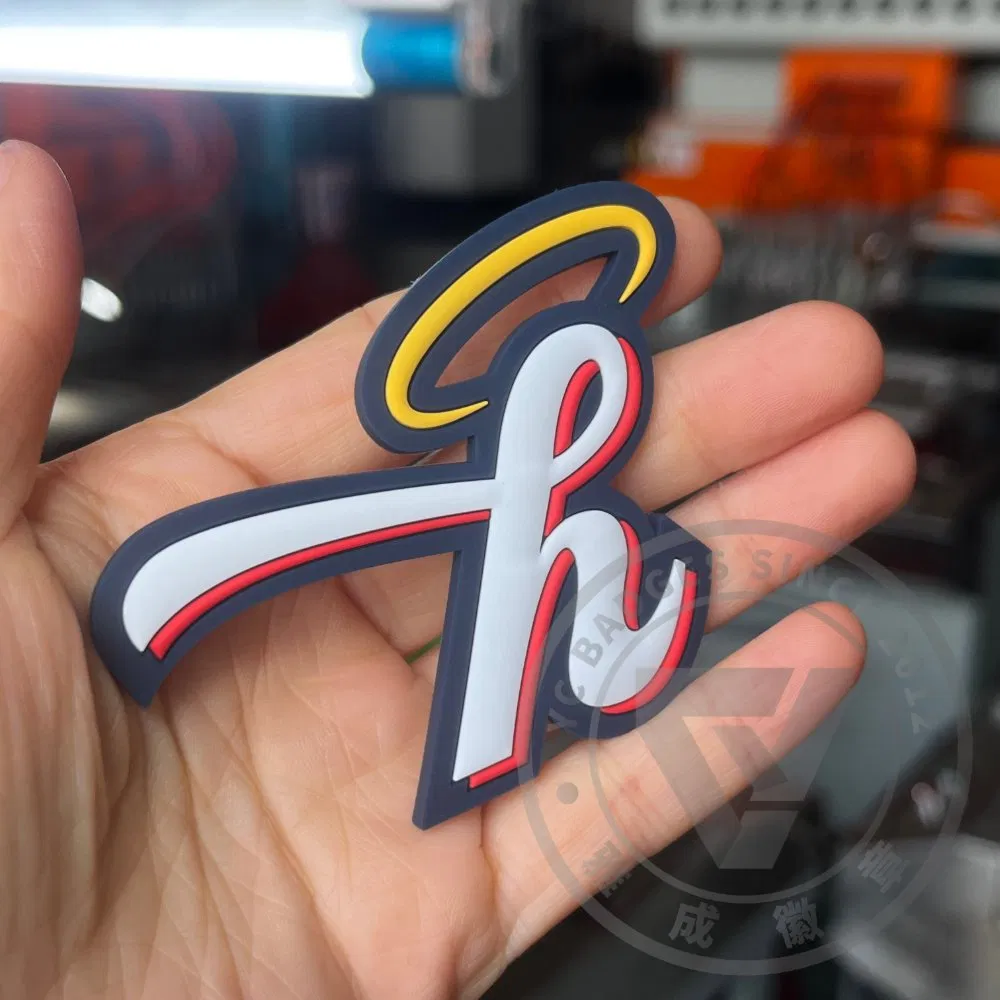
PVC label stickers have become an essential part of the packaging and labeling industry. Their popularity stems from their excellent performance, versatility, and customizable features. This article will conduct an in – depth analysis of the materials and processes of customized PVC label stickers, helping you better understand these key elements and make more informed decisions when customizing.
Materials of PVC Label Stickers
Types of PVC Materials
- Rigid PVC: Rigid PVC label stickers contain little or no plasticizer, with a thickness usually between 80 – 200 microns. It is suitable for rigid containers such as cosmetic bottles and medicine bottles because of its hardness and stability, which can well maintain the shape of the label and is not easy to be deformed.
- Soft PVC: Soft PVC adds a relatively high – proportion of plasticizer, with a thickness mostly between 50 – 120 microns. It has good flexibility, so it is often used in irregularly shaped bottles or packaging scenarios that require repeated bending, such as some soft – packaged food or flexible plastic product packaging.
Surface Treatment of PVC Materials
- Glossy PVC: Glossy PVC has a shiny and reflective surface. It can enhance the color saturation, making the printed pattern more vivid and eye – catching. It is widely used in high – end wine and luxury packaging, which can show a high – end and elegant image.
- Matte PVC: Matte PVC presents a smooth and non – reflective surface. It has a low – key and high – grade feeling, can resist fingerprints, and is not easy to be affected by light reflection, so it is very suitable for personal care product labels and some high – end brand packaging, which can create a simple and high – end brand image.
- Transparent PVC: Transparent PVC is made of see – through vinyl, which can make the graphic seem to float on the surface without a visible background. It is often used in “no – label feeling” packaging design, especially popular in high – end beverages and personal care products, which can increase the product’s visibility and create a unique visual effect.
Adhesive Types
- Water – based Adhesive: Water – based adhesives are environmentally friendly, with relatively low viscosity. They are suitable for some occasions with low requirements for adhesion, such as some temporary labels or labels on smooth surfaces. They are easy to apply and have less impact on the environment.
- Oil – based Adhesive: Oil – based adhesives have strong adhesion, can firmly adhere to various surfaces, and are waterproof and oil – resistant. They are often used in industrial products, outdoor labels, and other scenarios that require high – strength adhesion, such as electronic component labels and outdoor equipment labels.
Processes of PVC Label Stickers
Printing Processes
- Screen Printing: Screen printing is a common printing process for PVC label stickers. It can achieve high – quality printing effects, and is suitable for printing large – area solid colors, thick – layer inks, and special inks. It is often used to print logos, patterns, and texts on PVC label stickers, which can make the colors bright and the patterns clear.
- Flexographic Printing: Flexographic printing has the advantages of high – speed printing and good adaptability to various substrates. It is suitable for large – scale production of PVC label stickers, and can print fine texts and lines. At the same time, it can also be combined with various post – printing processes to improve production efficiency.
- Digital Printing: Digital printing is highly flexible, which can realize on – demand printing without the need for plate – making, and is very suitable for small – batch, personalized PVC label sticker production. It can quickly print various complex patterns and colors, and can also realize variable data printing, such as printing different barcodes or serial numbers on each label.
Post – printing Processes
- Lamination: Lamination is to cover a layer of protective film on the surface of the PVC label sticker, which can improve the durability, water resistance, and abrasion resistance of the label. There are glossy lamination and matte lamination. Glossy lamination can make the label more shiny, while matte lamination can maintain a low – key and high – grade appearance.
- Hot Stamping: Hot stamping is to transfer metal foils or other special foils onto the surface of PVC label stickers through high – temperature and pressure, which can create a metallic luster or special effects, enhancing the high – end feeling and visual appeal of the label. It is often used for logo decoration of high – end brand products.
- Embossing and Debossing: Embossing and debossing can create a three – dimensional effect on the surface of the label, making the pattern or text have a tactile feeling. Embossing is to make the pattern protrude from the surface of the label, while debossing is to make the pattern concave. These two processes can increase the texture of the label and make it more distinctive.
Die – cutting Process
The die – cutting process is to cut the printed PVC label sticker into the required shape according to the design. It can be cut into various regular or irregular shapes, such as round, square, oval, or special – shaped according to product packaging needs, so as to better fit the product and enhance the aesthetic feeling of the packaging.
Environmental Considerations and Future Trends
With the increasing strictness of global environmental protection regulations, the R & D and commercialization process of halogen – free and phthalate – free environmentally friendly PVC label stickers are accelerating. In the future, PVC label sticker materials and processes will pay more attention to environmental protection, such as the use of water – based inks, biodegradable plasticizers, and recyclable materials. At the same time, with the development of digital technology, the proportion of digital printing in PVC label sticker production will continue to increase, and more personalized and intelligent customization services will be provided.
Conclusion
The materials and processes of customized PVC label stickers are crucial factors affecting their performance, appearance, and application range. By understanding different types of materials, various printing and post – printing processes, we can better customize PVC label stickers that meet our needs. In the context of environmental protection requirements and technological development, the materials and processes of PVC label stickers will continue to evolve and innovate to adapt to the changing market demands.
-
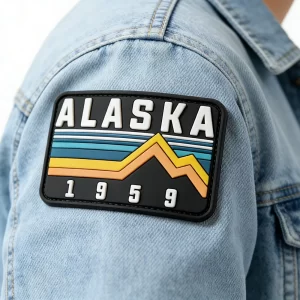
High-Quality Printed Clothing Labels Bulk Orders with Custom Logo Options
-
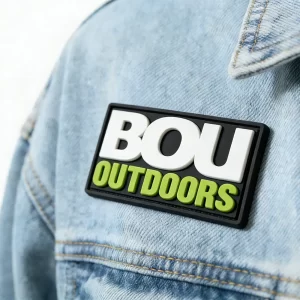
OEM PVC Garment Tags Factory Direct Bulk Customization for B2b Buyers
-
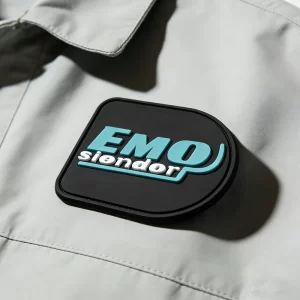
Durable Clothing Rubber Labels Customized Bulk Supply From China Factory
-
Custom PVC Garment Labels Factory Bulk Orders for Exporters
-
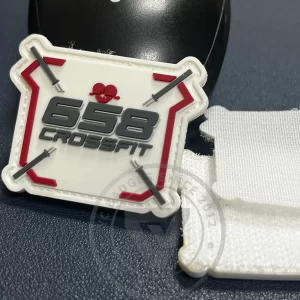
Customize PVC Soft Rubber Silicone Logo Patch Label Sticker
-
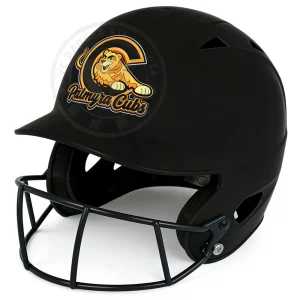
3D Soccer Helmets Decals Label Sticker Logo Customize
-
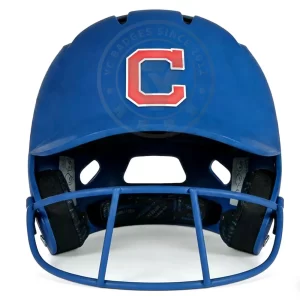
PVC Labels Sticker Helmet Decals Logo Sticker Customize
-
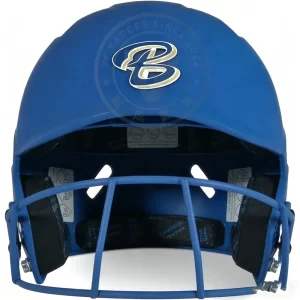
PVC Adhesive Label Sticker Baseball Team Logo Customize